
Mental health grants slashed then restored sparks chaos
Kayla Bartkowski/Getty Images
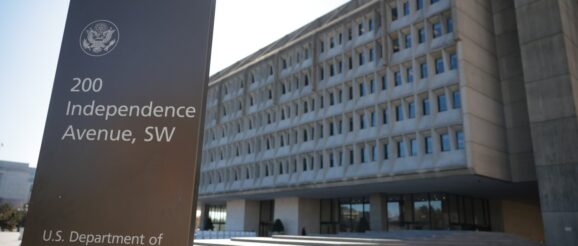
After a tense day of confusion and backroom negotiations, the Trump administration moved Wednesday night to restore roughly $2 billion in federal grant money for mental health and addiction programs nationwide.
The money had been cut off late Tuesday without warning, sending shockwaves through a segment of the country’s patchwork system of public health that relies on grant funding.
“After a day of panic across the country, non-profits and people with mental health conditions are deeply alarmed, but also hopeful that this money is being restored,” said Hannah Wesolowski with the National Alliance on Mental Illness.
They said all of the roughly 2,000 organizations affected by the whiplash series of events were being notified that full funding would be restored.
After sending the letters, officials at the Department of Health and Human Services and SAMHSA went silent, offering no clarification to health care providers or the public about what would happen next or where patients should go for care.
The sudden defunding and lack of communication triggered a backlash from local officials and care providers, who said the American public would see a rapid dismantling of essential safety net programs.
“We provide treatment, life saving treatment,” said Dan Lustig who runs the Haymarket Center, the largest non-profit addiction treatment program in Chicago, which treats people at high risk while using illicit drugs like fentanyl and methamphetamines.
“If people don’t get access to treatment they just die. That’s a fact,” Lustig said. “You can spin this any way people want to, but people are going to die.”
The American Medical Association weighed in, issuing a statement saying it was “deeply concerned” by the cuts and calling for grants to be restored.
“At a time when patients already face too many barriers to care, sudden funding disruptions risk leaving them without the support and treatment they urgently need,” the statement said.
That message reached members of Congress. Republican and Democratic lawmakers scrambled to urge White House and Health and Human Services officials to reverse course.
“We heard from offices on both sides of the political aisle who were working on this issue throughout the day,” said Wesolowski. The bipartisan pressure, she added, “really speaks to the power of the collaboration on this issue.”
While most of the talks happened behind closed doors, some Democratic lawmakers publicly blasted the Trump administration and Health Secretary Robert F. Kennedy Jr. for what they described as roughshod treatment of front-line care providers.
“After national outrage, Secretary Kennedy has bowed to public pressure and reinstated $2 billion in SAMHSA grants that save lives,” said Rep. Rosa DeLauro, a Democrat from Connecticut.
“Our policy must be thoughtful – not haphazard and chaotic. This episode has only created uncertainty and confusion for families and health care providers,” she added.
For 24 hours, it was unclear which programs would survive and who would still have jobs when the dust settled.
Dr. Yngvild Olsen, an addiction treatment physician who served as the director for the Center for Substance Abuse Treatment inside SAMHSA until July 2025, said the turmoil also raised questions about who in the Trump administration is making key public health decisions.
“My understanding is that much of the staff at SAMHSA was caught unaware,” Olsen said. “These were decisions made without the input of experts in these programs and experts in this [addiction and mental health] field.”
For months, Trump administration officials have been signaling they think many of the country’s current public health programs are ineffective and need to be replaced.
“This sparks a lot of uncertainty about who’s making public health decisions in this country,” said NAMI’s Wesolowski.