
They’re cured of leprosy yet still live in leprosy colonies
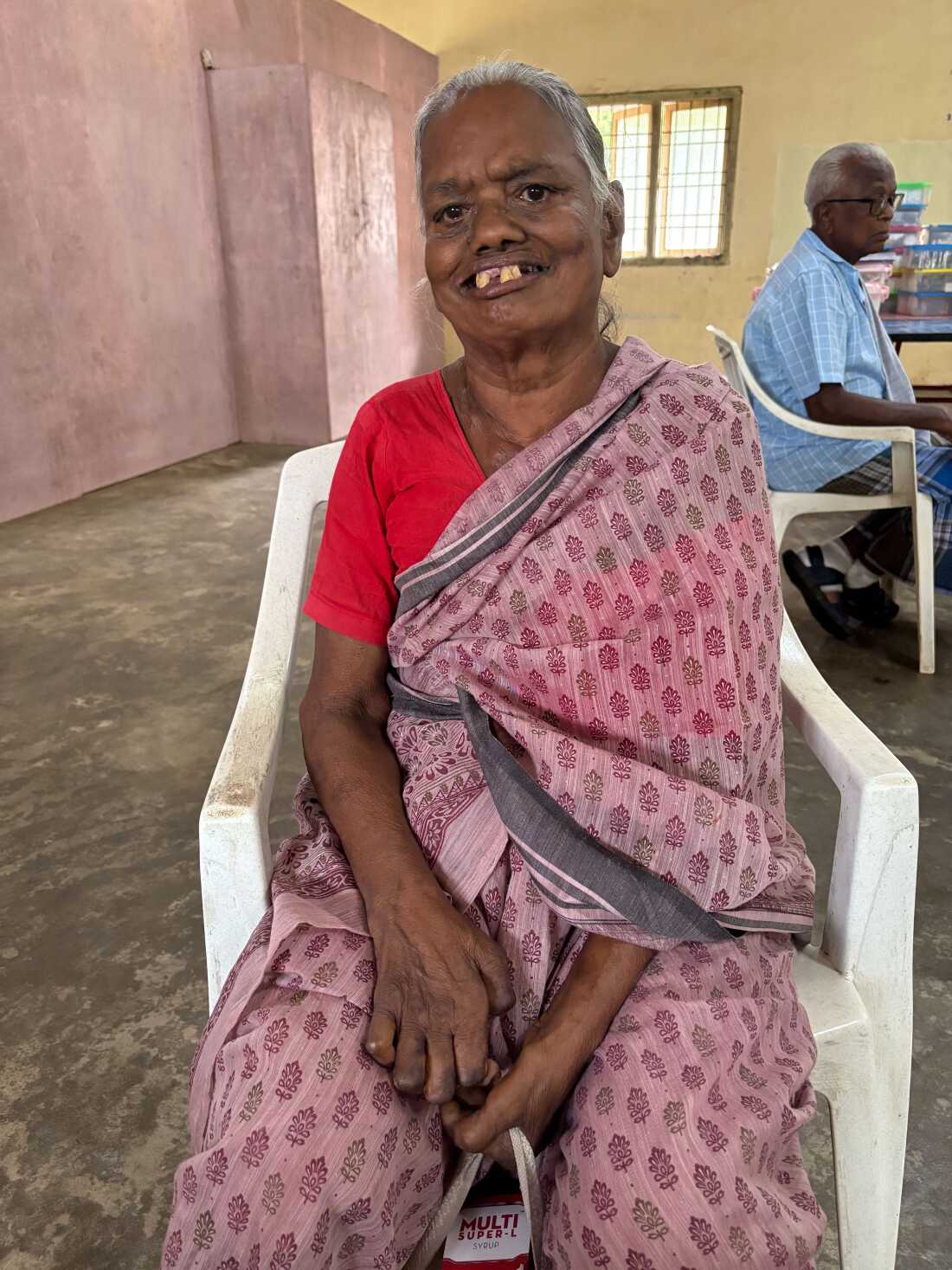
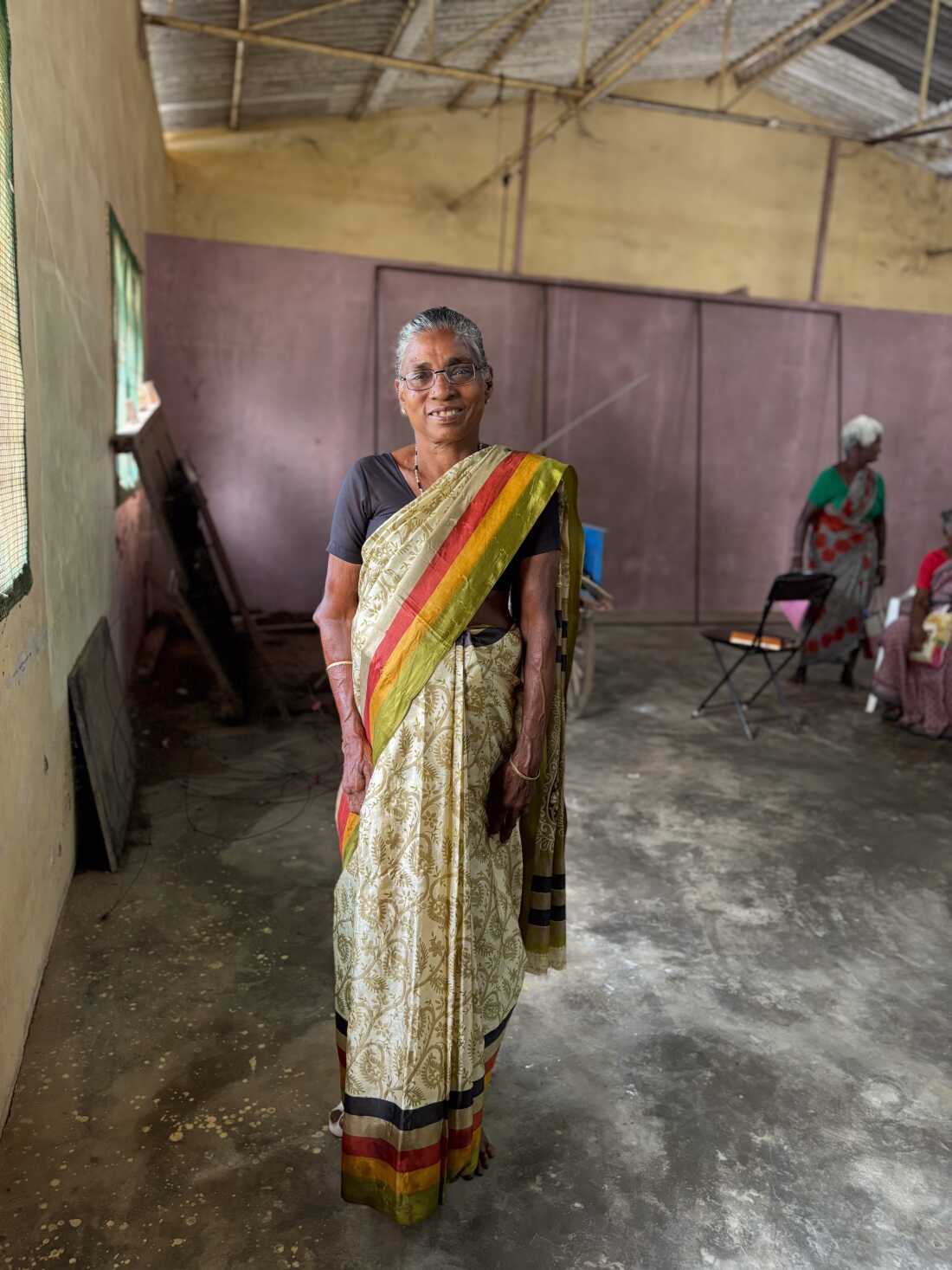
Alamelu, a gray-haired woman who wears a bright pink sari and a gap-tooth smile, has lived in the Kalvari Nagar leprosy colony in India for 22 years and another colony before that.
Her family sent her away when she was only 12 years old after she was diagnosed with what is likely the world’s most misunderstood and stigmatized disease. They feared her presence in the home would tarnish the family’s reputation and her siblings would never be married. Alamelu, who is now 75, never saw her family again.
Like most residents of Kalvari Nagar, this woman was cured of leprosy years ago. But she has no plans to leave the colony. This is her home.
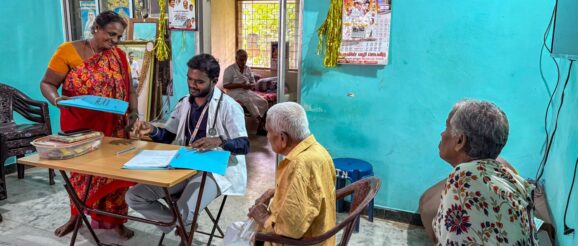
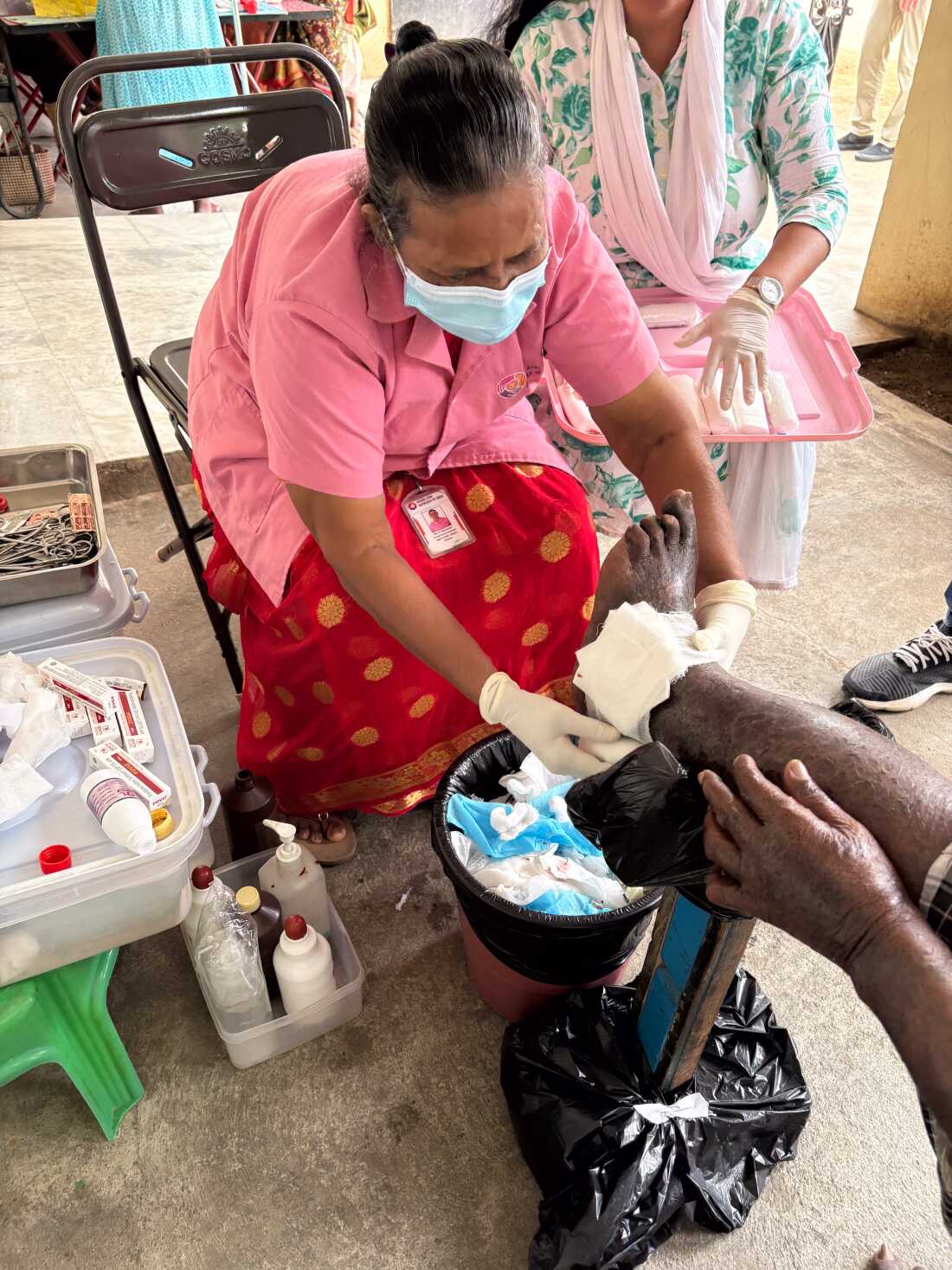
While these elderly residents no longer have leprosy, they still suffer from the disabling long-term effects of the disease — crippled hands, blindness, amputations and, most of all, foot lesions that never seem to heal. If untreated, these can lead to dangerous infections.
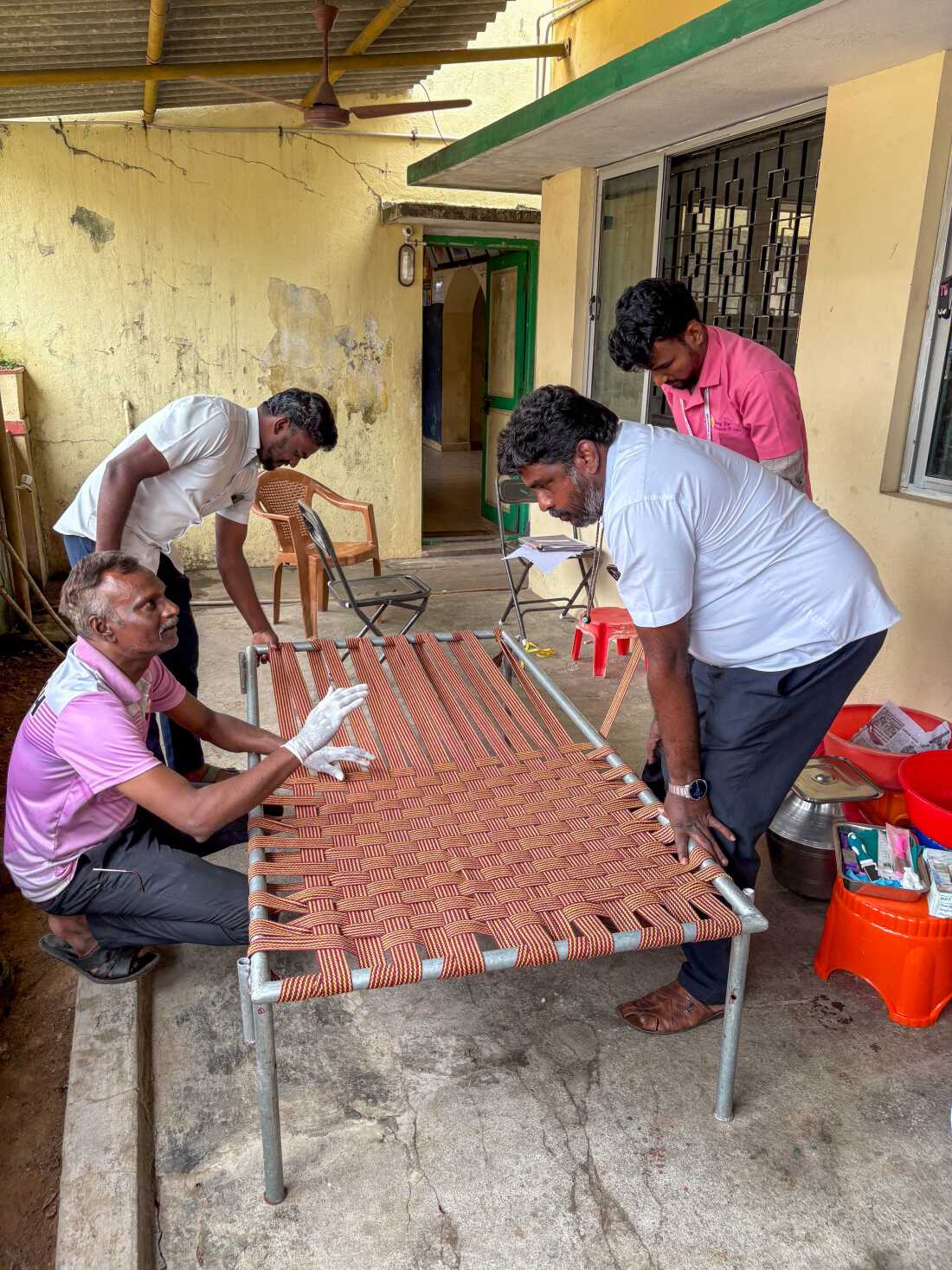
Nurses and helpers bathe the patients’ feet and remove dead tissue around the wounds to help them heal. They massage the patients’ legs with oil to prevent future lesions and bandage the feet of those with the worst ulcers — some as big as a fist. The patients are given plastic bags with enough gauze, bandages and ointment to care for their wounds between the doctor’s visits, although not everyone follows the advice.
The legacy of leprosy colonies
This colony in Tamil Nadu in Southern India is one of about 750 leprosy colonies that still exist in India today. They are relics of a not-too-distant past when those diagnosed with leprosy were exiled out of a mistaken fear they would spread a dangerous and disabling disease.
In fact, leprosy — also known as Hansen’s disease — is one of the least contagious diseases there is. Ninety-five percent of humans are naturally immune and it’s not easily contracted by the other 5%. Today, leprosy is easily cured with antibiotics, especially if detected early.
But the stigma that has haunted victims for centuries persists. It has hindered reintegration of those who have had the disease and stymied global efforts to eliminate leprosy by discouraging affected individuals from seeking care.
The World Health Organization says there were about 173,000 new cases of Hansen’s disease reported in the world in 2024. Almost 60% of those cases were in India, although Brazil and Indonesia have sizable shares.
When people are diagnosed with leprosy in India today, they are usually treated at a government hospital and sent home to go on with their lives. But in decades past, victims were banished to colonies. Tens of thousands of former patients, their children and grandchildren — most of whom never had leprosy — still live there. They face continued poverty and inadequate services but either don’t want to leave or have nowhere else to go.
Alamelu’s story is a common one. She was diagnosed after noticing she felt nothing when a heavy spindle hit her leg and then again when ants were nibbling on her toes. Numbness is an early symptom of the disease, in which bacteria attack the peripheral nerves.
Today, the only visible sign Alamelu ever had leprosy are her clawed hands, the result of nerve damage and muscle atrophy. She says the stigma is not as bad as it used to be. But why would she leave the colony and where would she go? She owns her house here and two grown sons live with her. One is an electrician and the other works in construction, earning enough to get by.
Her neighbor, Rabha, feels much the same way. She has lived in colonies for 37 years. Today, she bears a large open wound on her right foot and several missing toes.
“I can’t go outside and live by myself,” says Rabha. “I’m okay [here].”
Rabha worries she might not be accepted if she moved away. Here, she is surrounded by family and friends. Her son and his family, including two grandchildren, live with her in a house she owns. Many children who grew up in colonies have stayed, or come back, to care for their aging parents.
Rabha takes out her smartphone and proudly shows pictures of her son — an electrical engineer with a multinational firm — and her daughter, a nurse, who lives several hours away.
“I believe in God and God will take care of me,” she says.
What their life is like
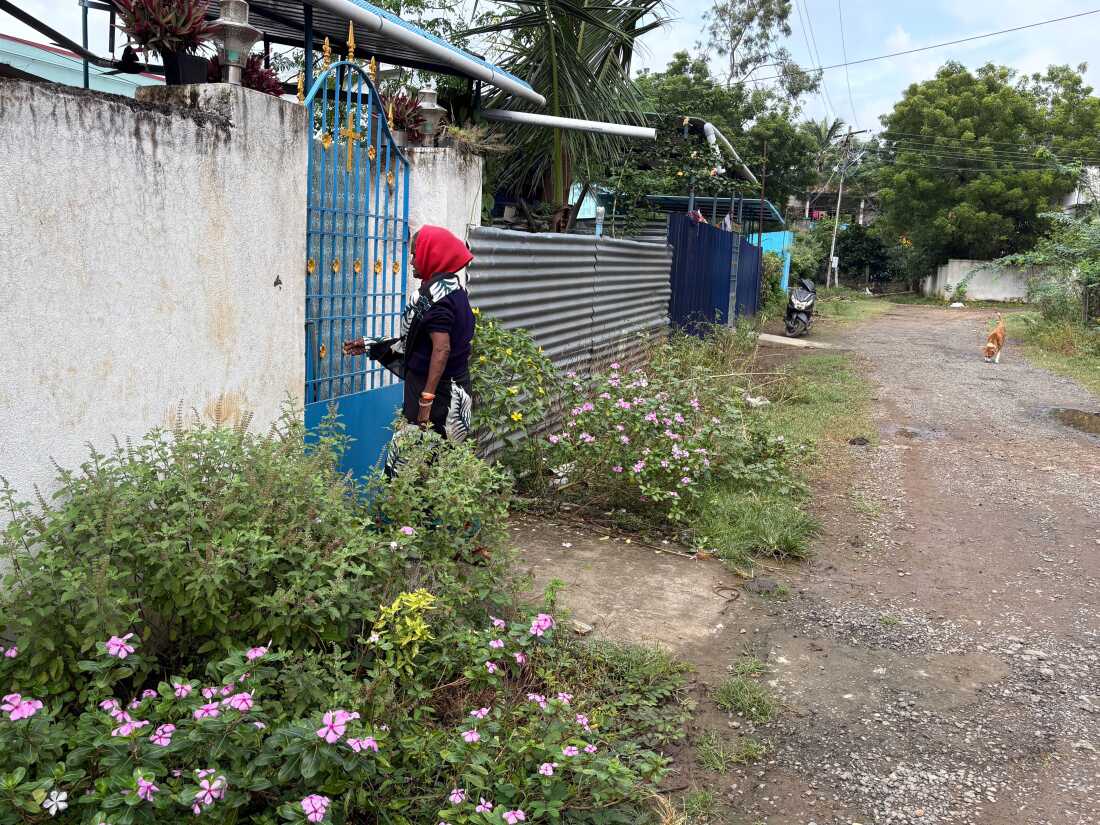
Conditions in the colonies have slowly improved in recent years as a result of government and nonprofit programs. In fact, it’s difficult to distinguish some colonies from surrounding villages, with their narrow unpaved roads, modest concrete houses and stray dogs.
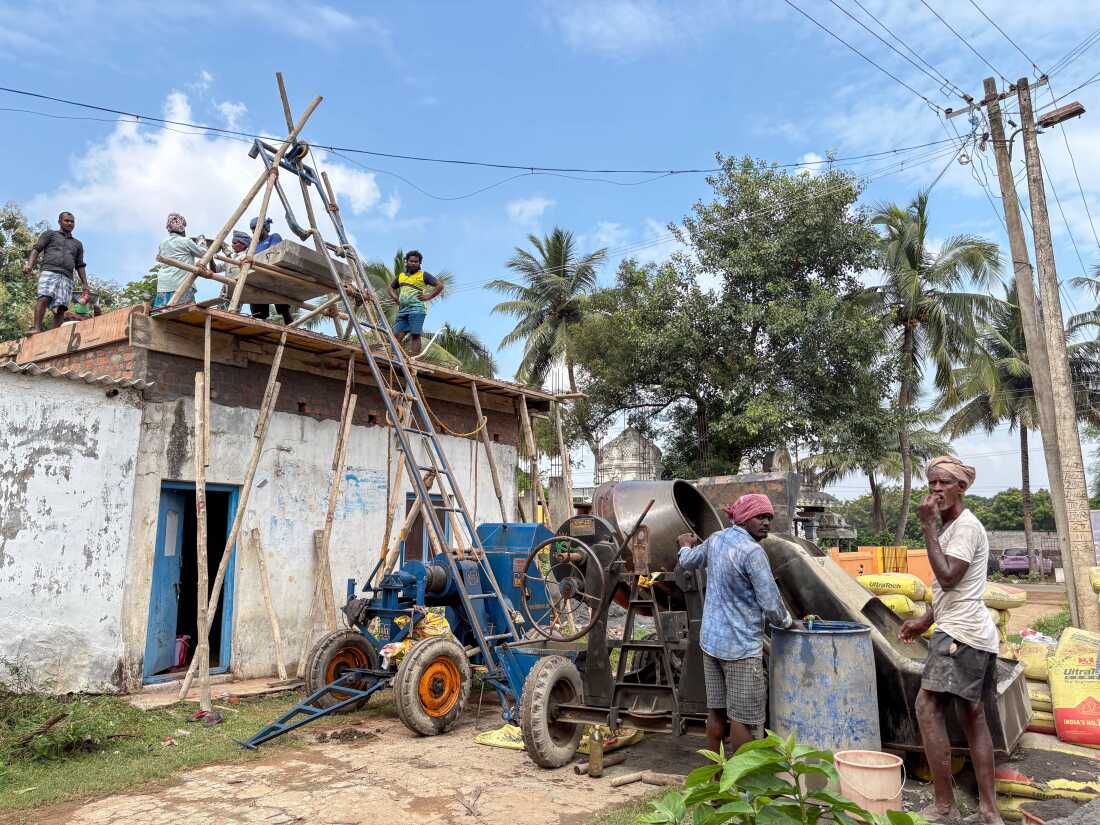
Rising Star Outreach, the nonprofit that provides medical care at Kalvari Nagar and dozens of other colonies, has helped upgrade infrastructure and services, such as the availability of clean water. The group also assists residents with micro loans to set up small businesses and runs two boarding schools outside the colonies. There, hundreds of colony children — almost none of whom have ever had leprosy — can come for a better education than they would likely receive at local schools.
But persistent prejudice remains an obstacle for colony residents. India has repealed laws that allowed, among other things, the segregation of leprosy patients and the use of the disease as grounds for divorce. Other discriminatory laws remain on the books, including ones that restrict travel, employment and access to services.
“We have come a long way, but there is still a long way to go,” says Padma Venkataraman, a social activist in India who has worked for years to improve conditions for the leprosy-affected. “People are still afraid. The fear is there.”
Venkataraman says the problem is especially acute in poorer regions of the country, despite aggressive efforts by the government and nonprofits to dispel the myths about leprosy. She says many people still don’t understand that the disease — believed to spread through droplets from the nose and mouth — is not easily contracted and can be cured.
Only two years ago in Bihar, one of the country’s poorest states, Rising Star Outreach took in a 10-year-old girl with leprosy after her family abandoned her. A social worker found her rummaging through trash looking for food, says the group’s founder, Becky Douglas.
Even after the girl was taken to a hospital and cured, her family refused to let her back home. When they were finally persuaded to allow a month-long visit, they failed to care for the girl’s wounds, which led to sepsis and threatened amputation of her leg.
“Education is the key” to changing attitudes, says Douglas. The purpose of her group’s boarding schools is not only to lift colony children and their families out of poverty but to wipe away the stereotypical image of leprosy victims as repulsive and “unclean.” She says almost all of their graduates go to college, and many become engineers, doctors and nurses.
“If you think of a leprosy-affected person as the person doing IT in your office or your doctor, that’s very different than a man standing on the corner with pus dripping down his hands and open wounds,” says Douglas. “As they become successful, then the stigma can die.”
A teacher fights the stigma
Jennifer, a 24-year-old English teacher at the group’s school in Tamil Nadu, hopes to be one of those examples. She grew up in a nearby colony with her grandparents, who took her in after her parents abandoned her as a 7-month-old baby in a garbage dump. Her parents, who were splitting up, did not have leprosy, and neither did Jennifer. But growing up in the colony stigmatized her as if she had had the disease.
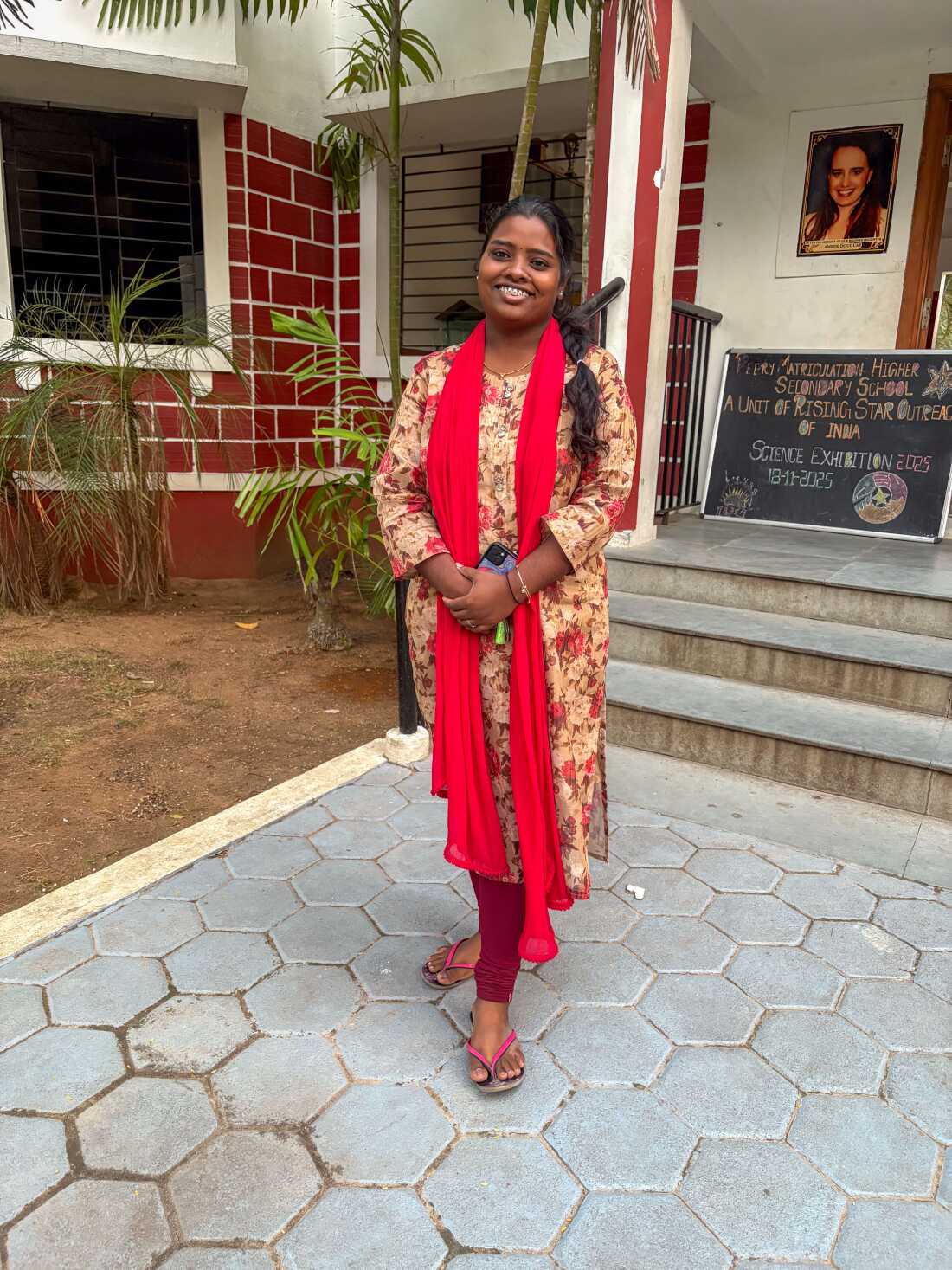
Jennifer came to the Rising Star Outreach school when she was 5 years old and continued there until she graduated and went off to college. She says a lot has changed since she was growing up in the colony and her grandparents would take her to the railway station to beg.
“When I was very, very little, people didn’t enter my home,” she says. Outsiders would often refuse to speak with colony residents or eat their food. “Like we are a marginalized people.”
Now, when Jennifer goes to visit her grandmother, she’s struck by how people will visit from nearby villages, often asking her to help with their English. They might even ask for a glass of water or food.
She thinks one reason for the change is that people see her and all she’s accomplished and realize that she is not a threat. “They see me with good hands, good skills and good education.” Even so, Jennifer did not tell her college friends where she grew up and asked that her full name not be used for this story, because the stigma lingers.
She believes if she hadn’t gone to the boarding school, she would likely still be in the colony and might have to beg to survive. She would almost certainly have been married off at a very young age to an older man, a common custom in the region.
Her goal now is to help other children from the colonies feel confident they too can have successful lives outside. “I show them, here, you can be a better person. You too can do many things. You can do this, you can do that,” she says. “These kids have dreams. They think tomorrow will be safe for them.”