
Trump administration letter wipes out addiction, mental health grants
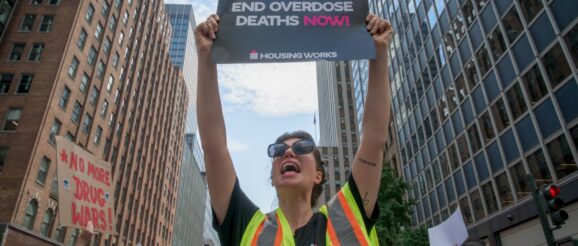
Erik McGregor/LightRocket via Getty Images/LightRocket
The Trump administration sent shockwaves through the U.S. mental health and drug addiction system late Tuesday, sending hundreds of termination letters, effective immediately, for federal grants supporting health services.

“We are definitely looking at severe loss of front-line capacity,” said Andrew Kessler, head of Slingshot Solutions, a consultancy firm that works with mental health and addiction groups nationwide. “[Programs] may have to shut their doors tomorrow.”
Kessler said he has reviewed numerous grant termination letters from “Salt Lake City to El Paso to Detroit, all over the country.”
“Waking up to nearly $2 billion in grant cancellations means front-line providers are forced to cease overdose prevention, naloxone distribution, and peer recovery services immediately, leaving our communities defenseless against a raging crisis,” Hampton said. “This cruelty will be measured in lives lost, as recovery centers shutter and the safety net we built is slashed overnight. We are witnessing the dismantling of our recovery infrastructure in real-time, and the administration will have blood on its hands for every preventable death that follows.”
The letter points to efforts to reshape the national health system in part by restructuring SAMHSA’s grant program, which “includes terminating some of its … awards.”
According to the letter, grants are terminated as of yesterday, Jan.13, adding that “costs resulting from financial obligations incurred after termination are not allowable.”
This move comes on top of deep Medicaid cuts, passed last year by the Republican-controlled Congress, which affect numerous mental health and addiction care providers.
“In the short term, there’s going to be severe damage. We’re going to have to scramble,” he said.
Regina LaBelle, a Georgetown University professor who served as acting head of the Office of National Drug Control Policy during the Biden administration, said the SAMHSA grants pay for life saving services.
“From first responders to drug courts, continued federal funding quite literally save lives,” LaBelle said. “The overdose epidemic has been declared a public health emergency and overdose deaths are decreasing. This is no time to pull critical funding.”
Requests for comment from SAMHSA and the Department of Health and Human Services were not immediately returned.
This is a developing story.